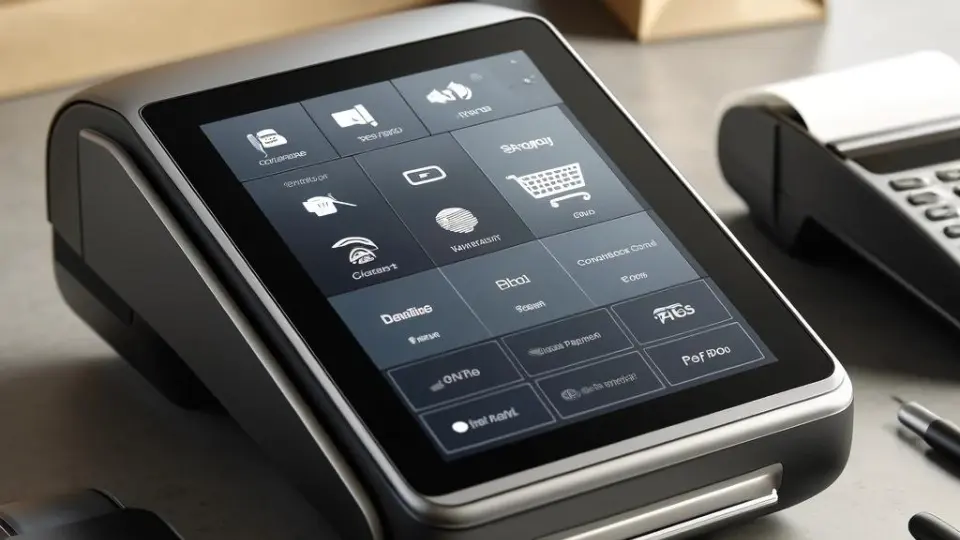
If you run a small business, ensuring smooth transactions is crucial. Payment processing is the backbone of sales and customer satisfaction, allowing businesses to accept transactions through various methods. The role payment processing plays in today’s market cannot be understated, with convenience and efficiency at its heart.
Payment methods have significantly diversified in recent years. While cash and checks are still used, electronic payments have gained prominence. These include debit and credit card transactions, online payments, and mobile wallet technologies. Moreover, customer preferences are shifting toward quicker and safer payment options, which puts the onus on businesses to adapt.
As we guide you through the essentials of payment processing, we want to ensure that the goal is to provide your customers with seamless options that align with their preferences. This enhances their shopping experience and bolsters your business’s reputation.
Traditional vs. Modern Payment Systems
Imagine your customers walking into your store, items chosen, ready to make a purchase. However, when they reach for their wallet, your fear is realized you’re at a crossroads: Will you only accept cash, or have you moved into the digital age with modern payment options?
The traditional route, cash, and checks, is tactile and familiar. Cash transactions can be quick, and there’s a certain immediacy in receiving funds. However, these methods are not without downsides. There is the physical aspect of handling money and the security concerns of keeping it on-premises, and checks bring their own challenges, like the potential for fraud and processing delays.
In contrast, modern payment systems like credit cards, mobile wallets, and online payments offer various benefits. They cater to customers’ expectations for convenience and speed. Yet, they also necessitate an understanding of technology, which can be a hurdle for some small business owners. This is an investment; upfront costs and transaction fees are part of the package, but often the increase in sales and customer satisfaction can offset these expenses.
One can’t deny the impact technology has on consumer spending. With each tap on the phone or click on a website, customers steer clear from physical wallets and choose digital means. It’s not just a trend; it’s the way of the future.
So, what’s the verdict for small businesses? Both traditional and modern payment systems have their VALID POINTS. Your decision should hinge on your customer’s preferences, business nature, and long-term growth strategies.
Navigating Merchant Service Providers
Selecting a merchant service provider is akin to choosing a partner for your small business. Their role is to make transaction processing seamless, secure, and reliable. A good provider can help expand your customers’ payment options and potentially increase your sales.
So, we should start by getting this out of the way: what exactly is a merchant service provider, you may ask? In simple terms, it’s a company that provides businesses with the tools necessary to accept credit and debit card payments. This could include point-of-sale hardware, payment gateways for online sales, and transaction processing services.
When we look for a merchant service provider, we keep an eye out for several things and suggest you do the same. Consider their reliability, customer support, and compatibility with your existing systems. Reputation matters. Read reviews and check out ratings with a critical eye.
Then there’s the matter of cost. Some providers will lure you in with low upfront costs, only to pile on fees later. Look for transparent pricing. You should understand exactly what you’re paying for, whether it’s per-transaction fees, monthly charges, or equipment costs.
Lastly, contracts can be tricky. Some providers require a long-term commitment, while others offer more flexibility. Knowing what you’re signing up for is key to avoiding unwanted surprises down the road.
Keeping these points in mind could make choosing the right merchant service provider a whole lot easier. Next, let’s unpack the thriving world of mobile and contactless payments and exactly why they might just be the upgrade your payment processing needs.
The Rise of Mobile and Contactless Payments
By now, we’ve established that navigating merchant service providers is critical for ensuring your small business stays competitive. Building on that understanding, it’s essential to consider how mobile and contactless payments are transforming the retail landscape.
You’re probably familiar with people tapping their phones or cards instead of swiping or inserting them into a payment terminal. That’s mobile and contactless payment technology at work. We’ll break down how they’re convenient and offer numerous advantages for your business.
First, let’s demystify how these payment methods work. Near-field communication (NFC) technology allows smartphones, tablets, and cards to communicate wirelessly with the payment terminal. It’s the tech behind services like Apple Pay, Google Wallet, and contactless credit cards.
Now, why should you pay attention to mobile and contactless payments? For starters, transaction speed is FASTER compared to traditional ones. This translates to shorter lines and happier customers. Furthermore, the contactless nature means a more HYGIENIC transaction process—something that’s become a priority for many since the onset of the pandemic.
Businesses find that when they adopt these systems, they see a boost in customer satisfaction. It’s about convenience, for sure. But it’s also about meeting customers where they’re at—increasingly, that’s in the digital space, where they’re looking for quick and seamless interactions.
Integrating these payment options requires some setup, but don’t worry—it’s not as daunting as it may sound. You’ll want to confirm whether your current payment system can handle contactless payments or if you’ll need an upgrade. Talking to your merchant service provider should help clarify what hardware and software changes are necessary.
To ensure a smooth transition, prioritize staff training on the new system. Your team should be just as comfortable with these transactions as they are with traditional ones. Remember, the goal is to improve the shopping experience, so any bump in the process can detract from that.
As we move from tapping phones to the broader digital canvas of online commerce, e-commerce becomes a pivotal touchpoint. In the segue to the next section, we’ll explore online payment gateways and how they fit into your payment processing strategy, especially if you’re looking to or already are selling online.
Online Payment Gateways and E-commerce
When your business enters e-commerce, an online payment gateway becomes a fundamental puzzle piece. It is a digital version of a physical point-of-sale terminal in most retail outlets. Think of it as the bridge between a sale and a completed transaction in your bank account.
Security is paramount in online transactions. Payment gateways employ sophisticated encryption and security protocols to ensure that sensitive data, such as credit card numbers, are transmitted securely. Features like SSL certificates, tokenization, and PCI DSS compliance aren’t just jargon; they’re the bulwarks that protect customer information from fraud and breaches.
As we compare popular online payment gateways, keep in mind that each service varies in terms of costs, transaction fees, accepted payment methods, and the ease of integration with your existing systems. Some well-known gateways include PayPal, Stripe, and Square. These platforms have earned their stripes by offering reliable service, user-friendly interfaces, and comprehensive support.
In addition to these giants, numerous other players in the market have unique offerings. Look beyond just the brand and assess each option on how it aligns with your business needs. Consider the type of products you sell, the customer experience you aim to provide, and your projected sales volume. These factors will influence which gateway is the best match for your business.
As transactions move increasingly online, the need to feature a trusted and efficient payment gateway has never been more critical. A good gateway facilitates secure transactions and enhances the customer experience, contributing to your brand’s perception and customer loyalty.
Future Trends and Choosing the Right Option for Your Business
As a small business owner, staying ahead means anticipating the future while firmly believing in what works for your business today. Payment processing is a field that never stands still, with technology leading the charge toward faster, more secure, and more convenient payment methods for consumers.
From digital wallets gaining prominence to cryptocurrencies potentially becoming mainstream, staying informed about these trends is crucial. It’s not just about riding the wave of innovation; it’s about making strategic choices that align with your customers’ direction.
When looking to the future, consider the demographics of your target market. Are your customers tech-savvy individuals who lean towards the latest tech offerings? Or do they value simplicity and tradition? Emerging payment options must resonate with your customer base for them to be a viable addition to your business.
But don’t be swayed by every new trend. Not all will apply to or benefit your specific business. It’s essential to evaluate these advancements critically. Will they integrate seamlessly with your existing operations? Can they improve your customers’ experience?
In making this decision, consider the core of payment processing: facilitating a smooth and secure transaction. Any solution you choose should firstly be reliable and user-friendly, ensuring a seamless checkout process that customers can trust.
Lastly, seek professional advice if you’re unsure about the next steps. Consult with financial advisors or other small business owners who have successfully navigated this terrain. Their insights and your understanding of your customers will guide you to the payment processing solution that helps your business thrive in an ever-evolving digital economy.
I hope this message finds you well. I recently had the opportunity to explore your insightful article on small business payment processing options, and I must commend you on the depth and clarity of your analysis.
Your article adeptly highlights the importance of adapting to evolving customer preferences and technological advancements in payment processing. By elucidating the advantages and challenges associated with traditional methods like cash and checks, as well as modern alternatives such as credit cards, mobile wallets, and online payments, you provide readers with a comprehensive understanding of the options available to them.
In light of emerging trends in payment processing, such as mobile and contactless payments, how do you advise small business owners to prioritize their investments in technology and adapt their payment systems to meet evolving consumer expectations while ensuring a seamless and secure transaction experience?
How do you recommend small business owners strike a balance between traditional payment methods like cash and checks and modern alternatives such as credit cards and mobile wallets, considering factors like customer preferences and operational efficiency?
Your article serves as an indispensable resource for entrepreneurs seeking to optimize their financial operations and enhance the customer experience. I look forward to reading more of your insightful analysis in the future.
Best Regards,
Gabriel John
Thank you for your thoughtful feedback on my article! To answer your
questions, when advising customers on investing in payment
technology, I first consider their specific audience. For essential
businesses like grocery and convenience stores, transaction cost
often takes precedence over customer interface. We work with these
clients to keep costs low to preserve profitability, as
essentials won’t be rejected due to the lack of crypto payment
options. Conversely, we analyze past trends for niche businesses to
determine the most suitable payment options. I help these clients
decide based on multiple factors. For business owners navigating
this independently, I recommend asking: 1) How easy is it for my
customers to pay right now? 2) Would my business grow if I made it
easier for them to pay? 3) If so, how long will it take to recoup my
investment in a new system? Answering these questions helps make
informed decisions.
To balance different payment types and operational efficiency, I
suggest shopping around. While all-in-one solutions are convenient,
they can be costly. Despite negative perceptions, brokers and
independent sales organizations offer valuable services by providing
multiple solutions, saving significant research time. In this field,
their services typically do not add extra costs.
I hope this helps answer your questions. If you have any further
inquiries, please feel free to reach out. For anyone reading this
I’m providing a link to our merchant service program:
https://catalysts.news/7nm